Request. Verify. Settle. From uploaded specs to accepted work in a 48-hour review window.
OEMs and factories lose weeks reconciling specs, QA exports, review threads, and payment terms after work is already complete. Fairbuild turns those handoffs into one funded, evidence-backed workflow: extract parameters, approve gates, verify factory evidence, and move accepted work through a 48-hour customer review window.
- 01Source
CSV, JSON, ERP, PLM, MES, or QA exports
- 02Extract
AI drafts measurable parameters and confidence flags
- 03Gate
Customer approves limits, grades, holdbacks, and payout terms
- 04Fund
Approved partner rail boundary is confirmed before factory start
- 05Verify
Factory evidence is checked against accepted gates
- 06Review
Accepted work enters the 48-hour customer review window
- 07Settle
Settlement instruction proceeds unless review is initiated
Create a sandbox before scheduling a meeting.
Create access -> design ingestion -> send log -> extract parameters -> set gates -> confirm funding boundary -> preview settlement. Inside design ingestion, evaluators choose a sample log and create the pipeline ID before any production custody or funds are involved.
One workflow carries the agreement.
Each milestone has a source file, agreed limits, a funding boundary, factory evidence, and a defined review consequence.
Three separate handoffs become one shared record.
Engineering defines what must be measured. The factory proves what was built. Finance needs to know when value can move. Fairbuild connects those truths before work starts.

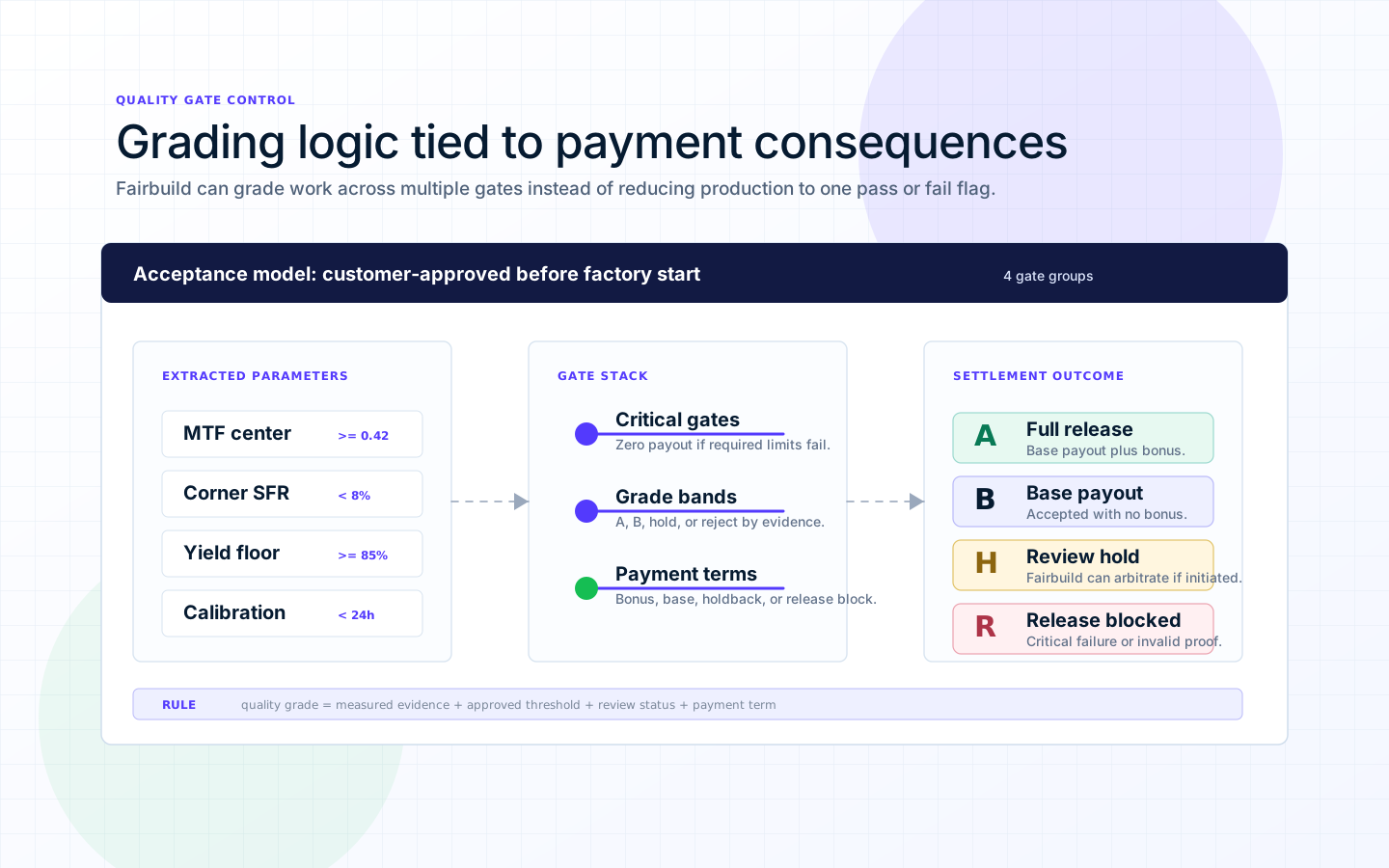
Quality can grade the work, not just block it.
Manufacturing programs rarely reduce cleanly to one flag. Fairbuild lets teams define multiple gates and payment consequences: mandatory acceptance limits, yield tiers, A/B/C grades, engineering review triggers, bonus payments, holdbacks, and zero-payout closures.
The result is a contract both sides can inspect before work starts, with fewer emails after work finishes.
Built for the teams that make production happen.
OEM operations and procurement
Standardize supplier execution before ambiguity becomes delay.
Factory operations and finance
Know what must be proven, how it will be judged, and when payment can release.
Let buyers test the workflow before real funds move.
Use a guided sandbox to load a sample manufacturing log, confirm AI-extracted parameters, define gates and grades, inspect review triggers, and preview the settlement instruction path before production money moves.
Production fund custody should run through regulated payment, escrow, or custody partners.
Diligence material buyers can route internally.
Security, platform, and verification artifacts are part of the evaluation path.
Built by people who have lived the factory-floor problem.
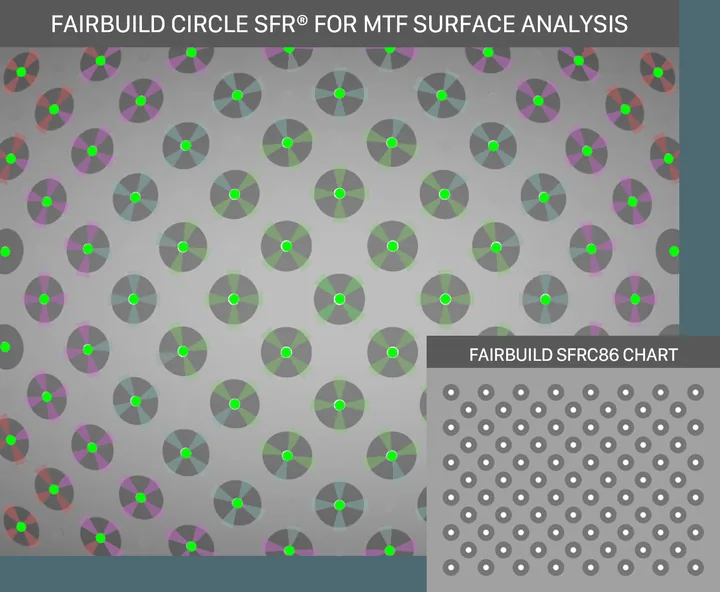
Fairbuild is not a generic workflow wrapper. We have spent 20 years in optical metrology, MTF, SFR, ToF calibration, and production-line test systems for complex electronics programs. That experience tells us what verified evidence actually means.
The smart contract is the enforcement layer. The manufacturing judgment is what makes the gates worth enforcing.

Evaluate Fairbuild for your next manufacturing milestone.
Bring a sample CSV or JSON file. We will show how the contract can extract parameters, define gates and grades, record the funding boundary, and preview settlement instructions.