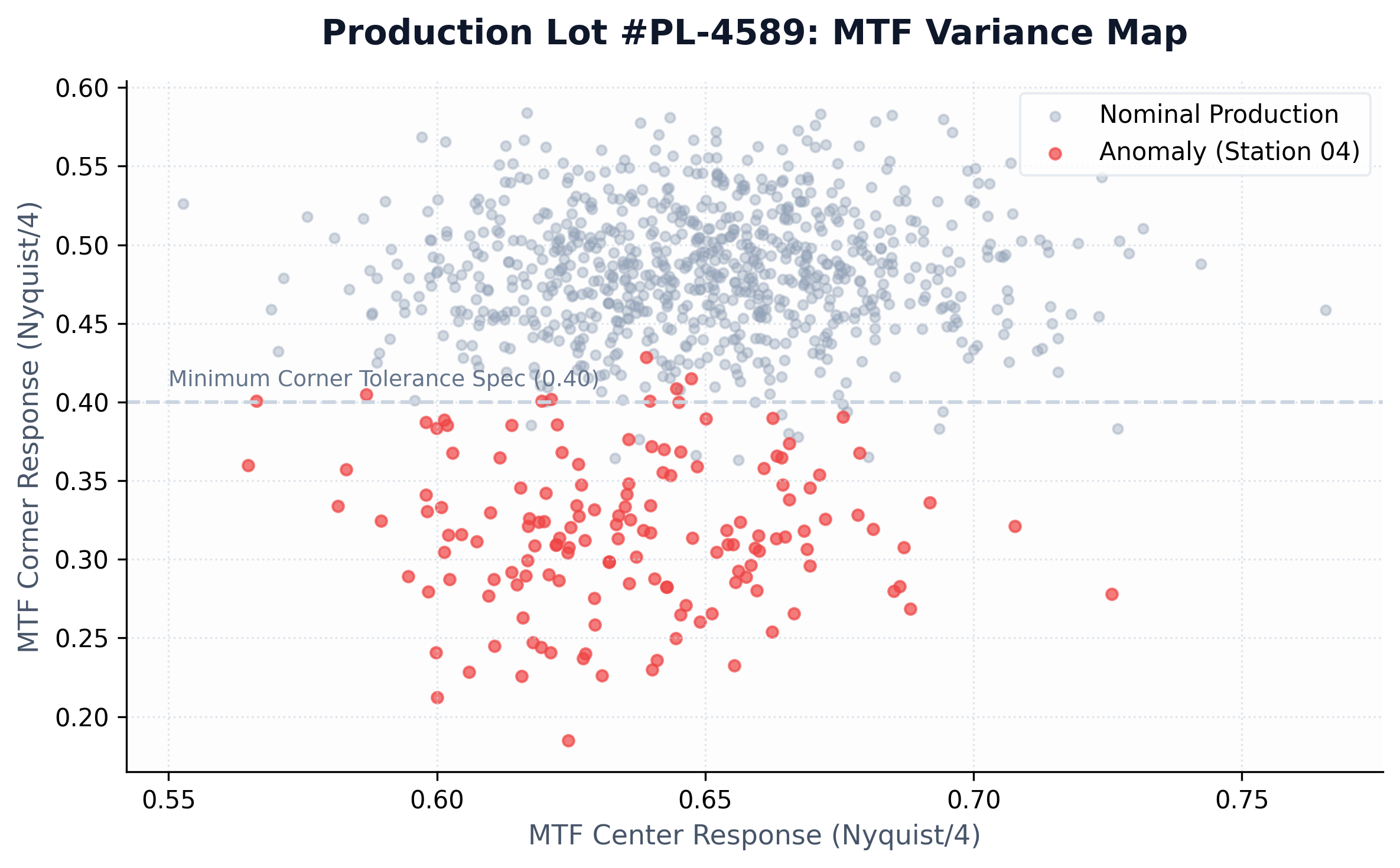
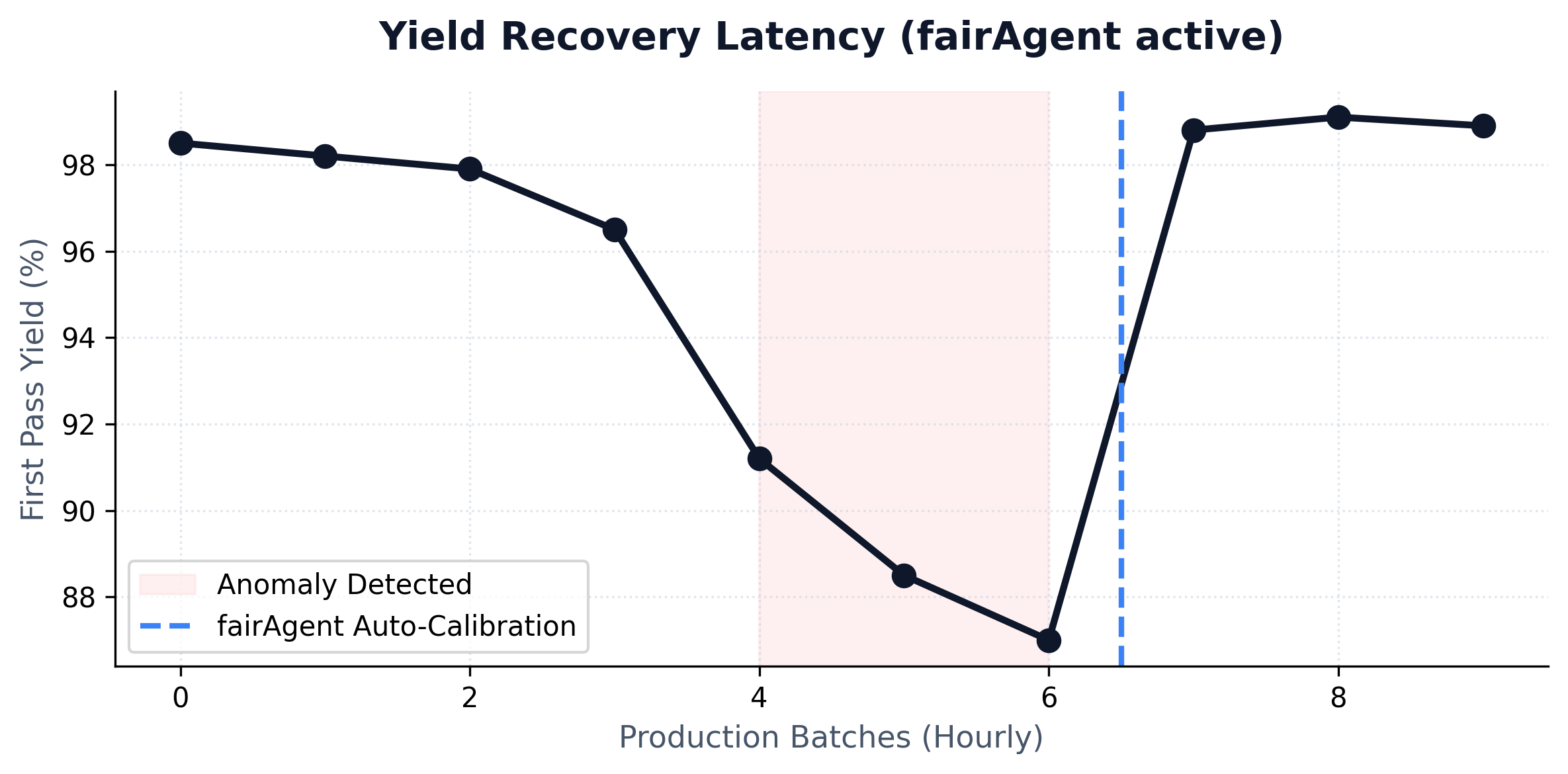
Stop wrestling with legacy databases and cross-timezone engineering syncs. Implement fairB to compress your operations loop: from instant fleet anomaly discovery, directly to verified mechanical resolution.
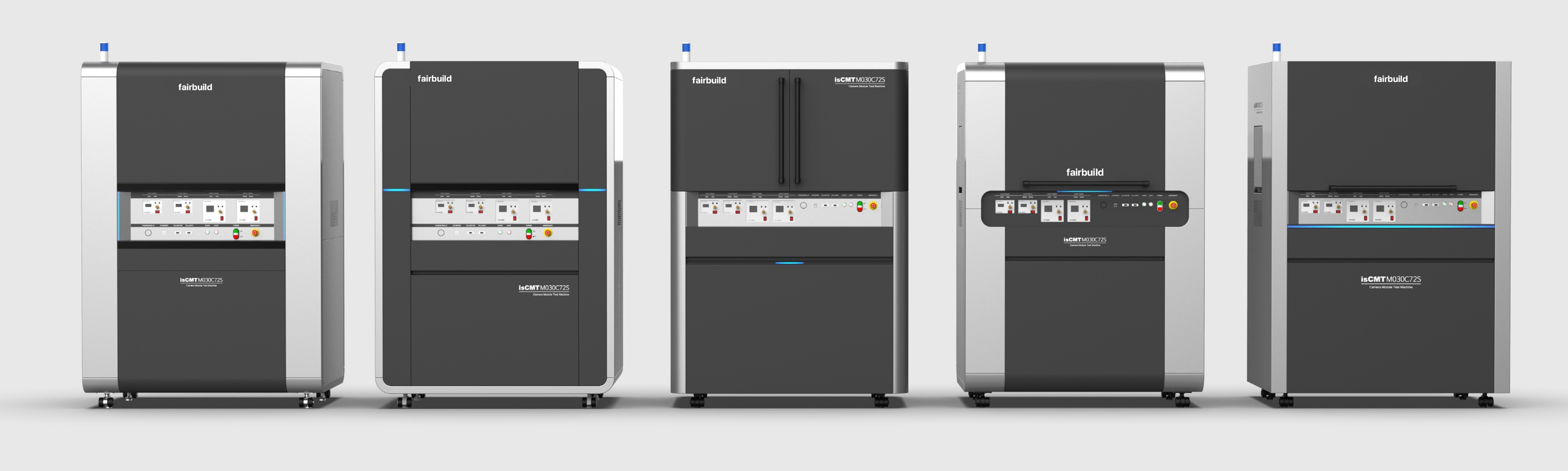
Robust, mass-production-ready hardware configurations serving Wafer Level Optics, Eye-Tracking Radiometrics, and Frame Grabbing architectures.
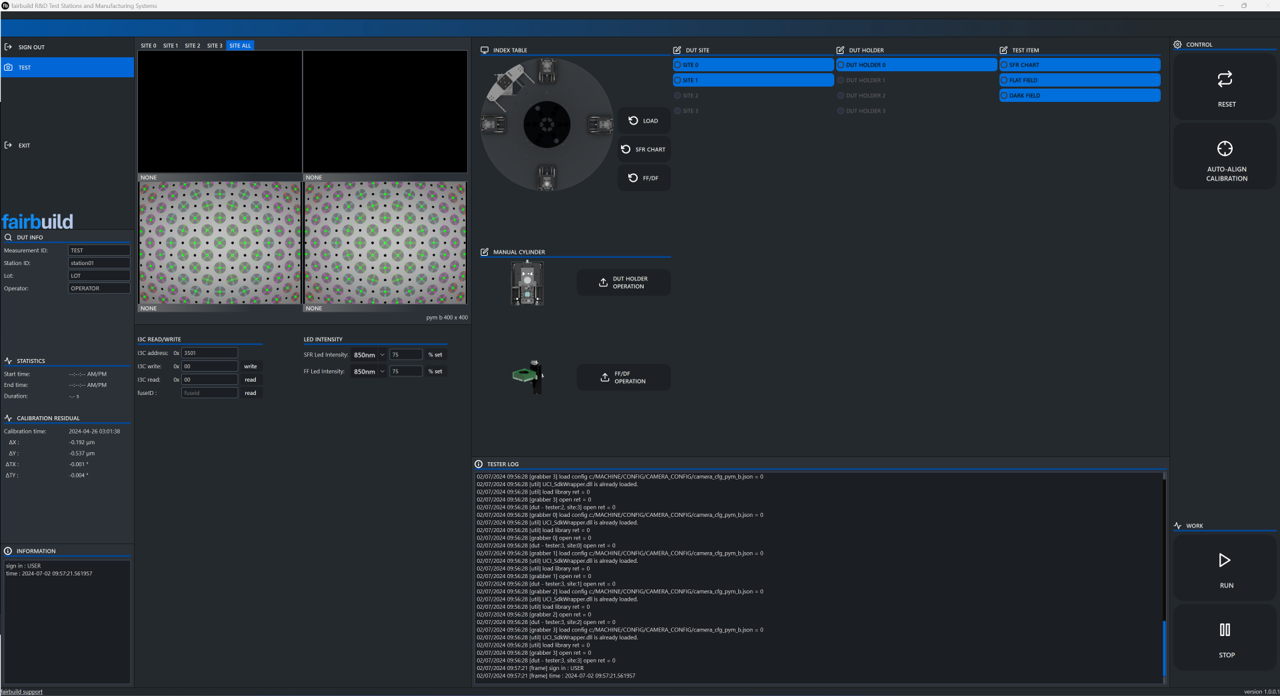
A unified architecture engineered for Wafer Level Optics (WLO). Seamlessly execute MTF, Flat-Field, Optical Distortion, and rigorous Multi-Camera Calibration inside a single mechanical footprint.
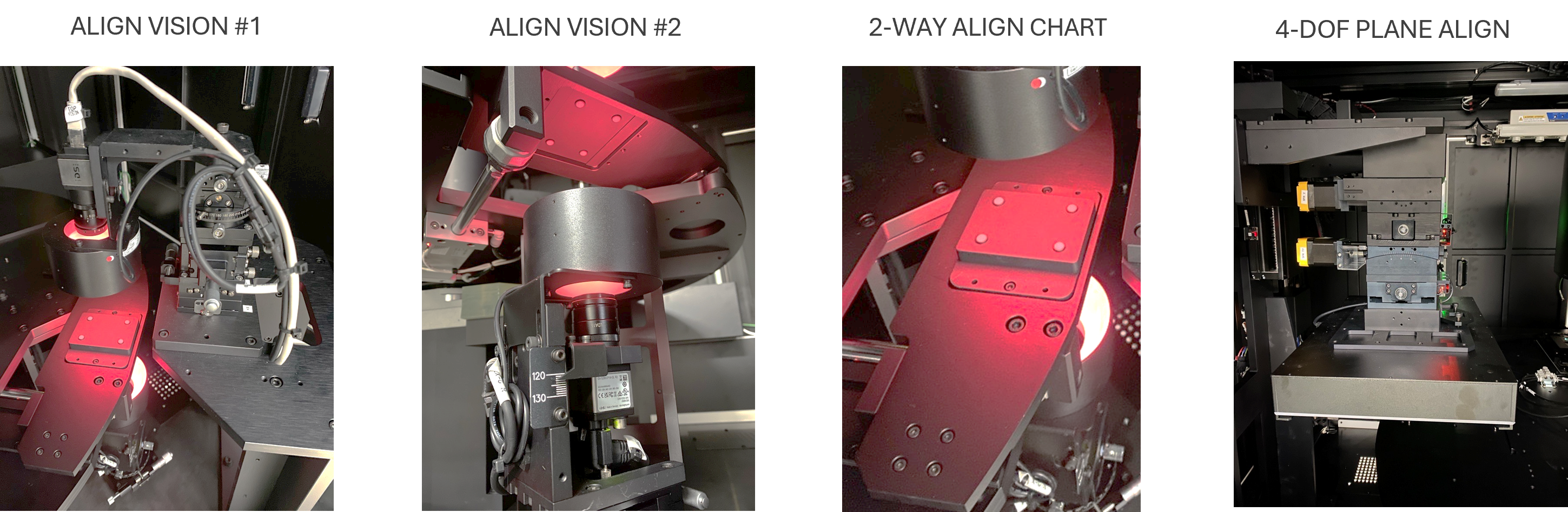
Our proprietary computer vision alignment system utilizes twin independent cameras tracking a bilateral alignment between the test chart and camera module from opposing vectors—guaranteeing zero-tolerance precision metrology positioning within 10-μm tolerance with automatic self-calibration every 4 hours.
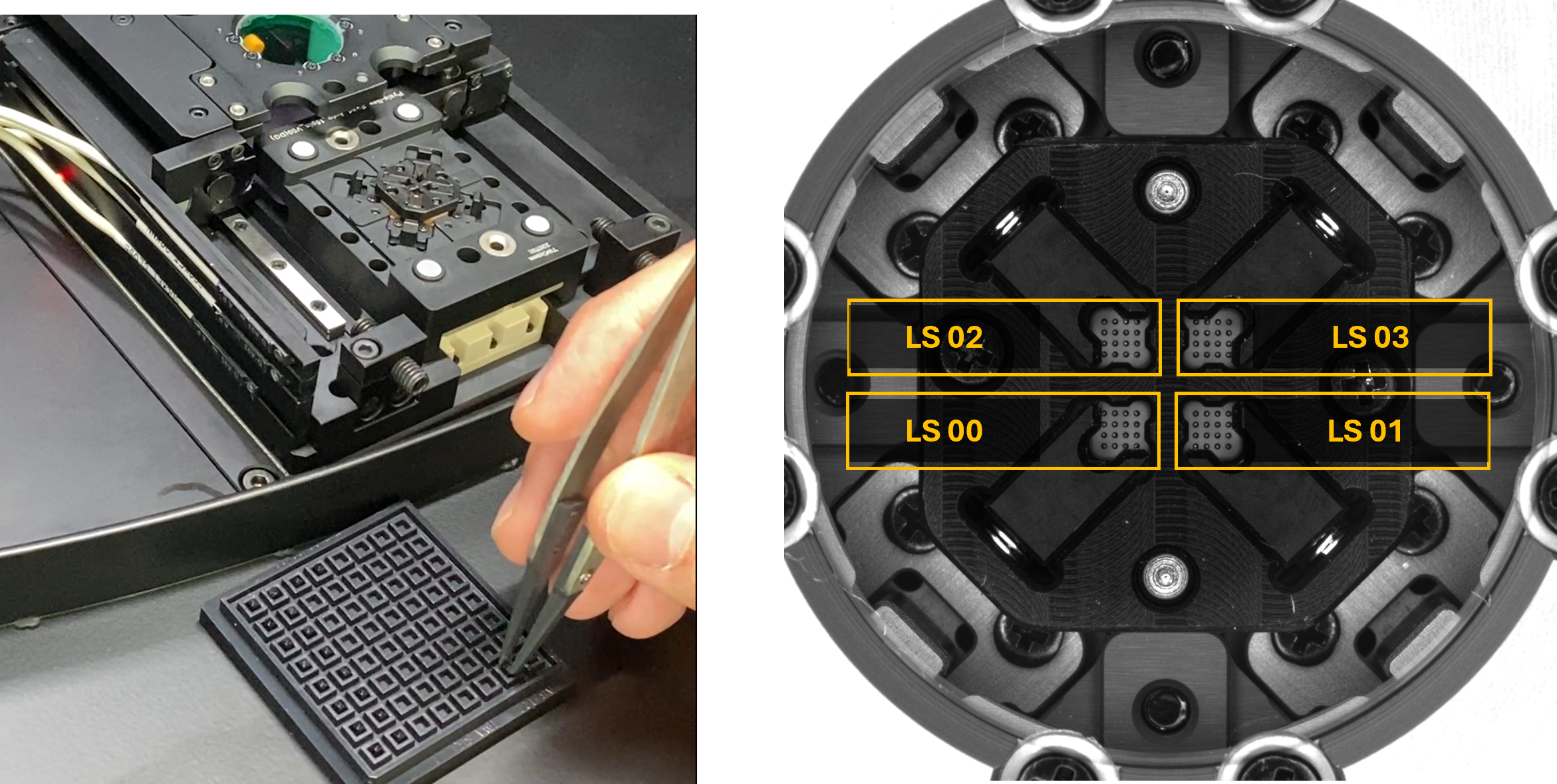
Custom-machined quad module sockets equipped with native self-alignment mechanics to support massive automated throughput scaling without degradation.
The latest iteration of our unified control software is fully Dockerized, ensuring instantaneous, OS-agnostic deployment across your entire production logic controller edge.
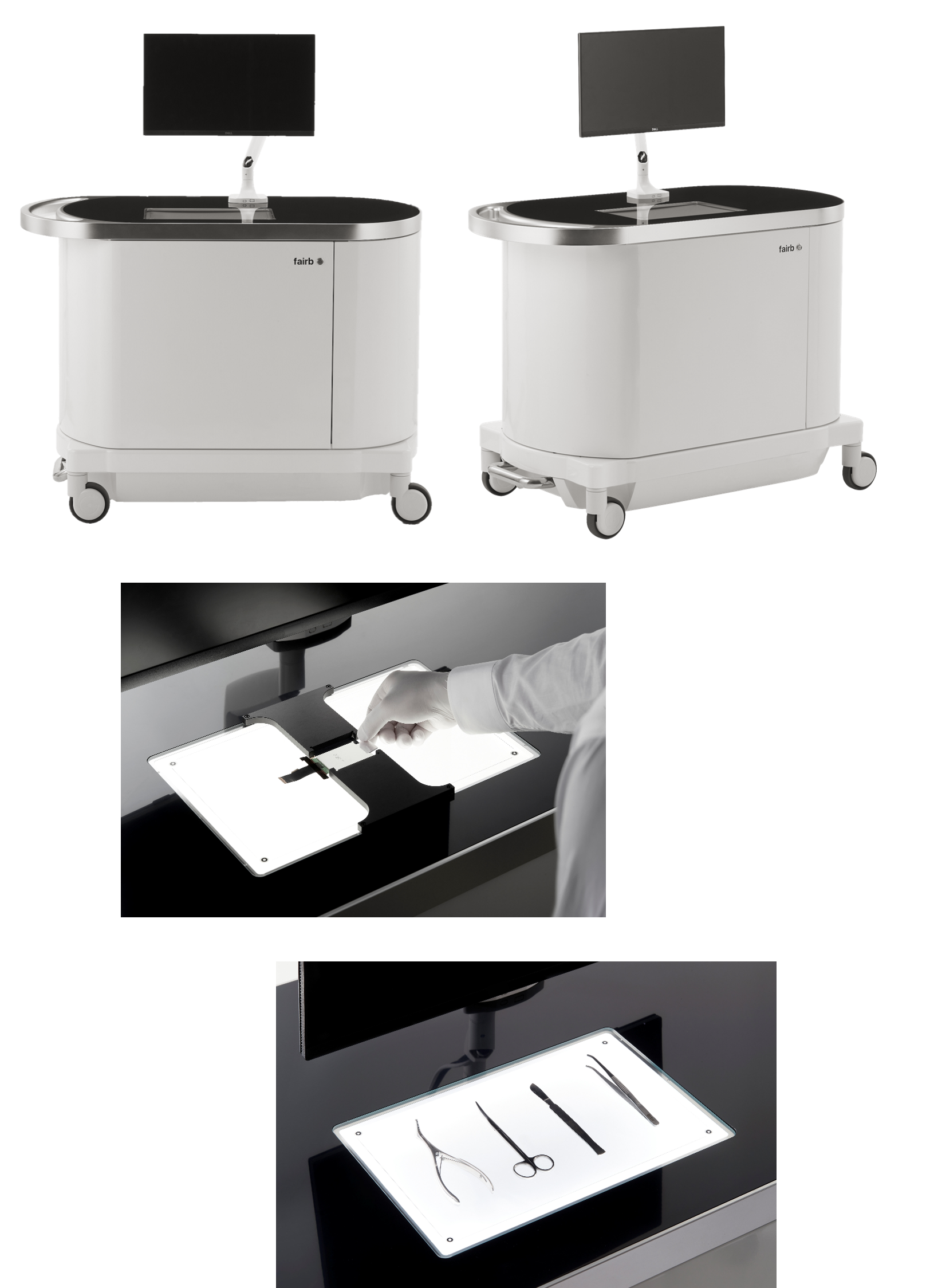
Designed for medical applications, PCB inspection, and semiconductor evaluation with specialized bottom illumination.
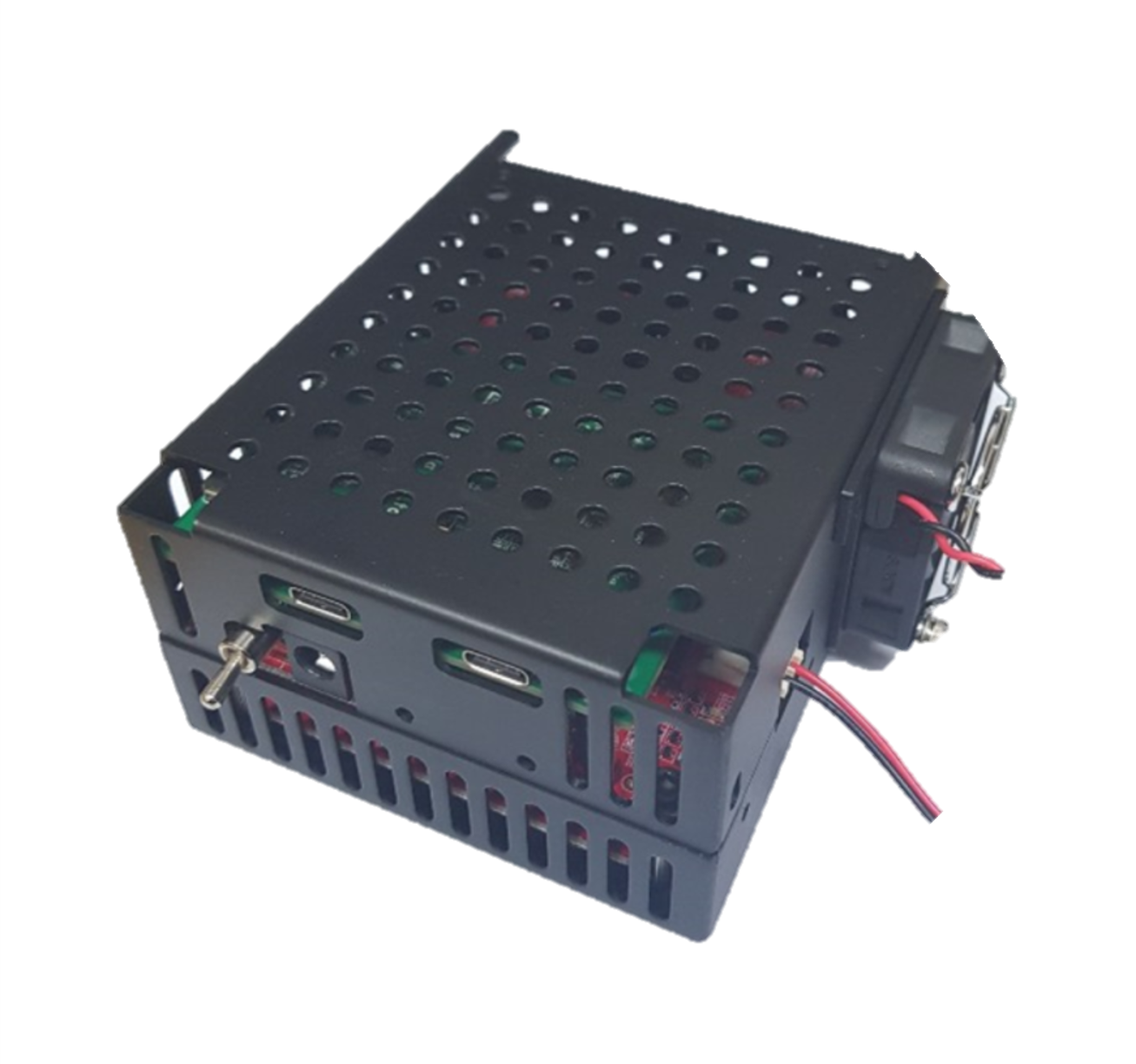
The ideal solution for camera testing, supporting image sensor resolutions up to 268 MP with clean daisy-chain cable management.
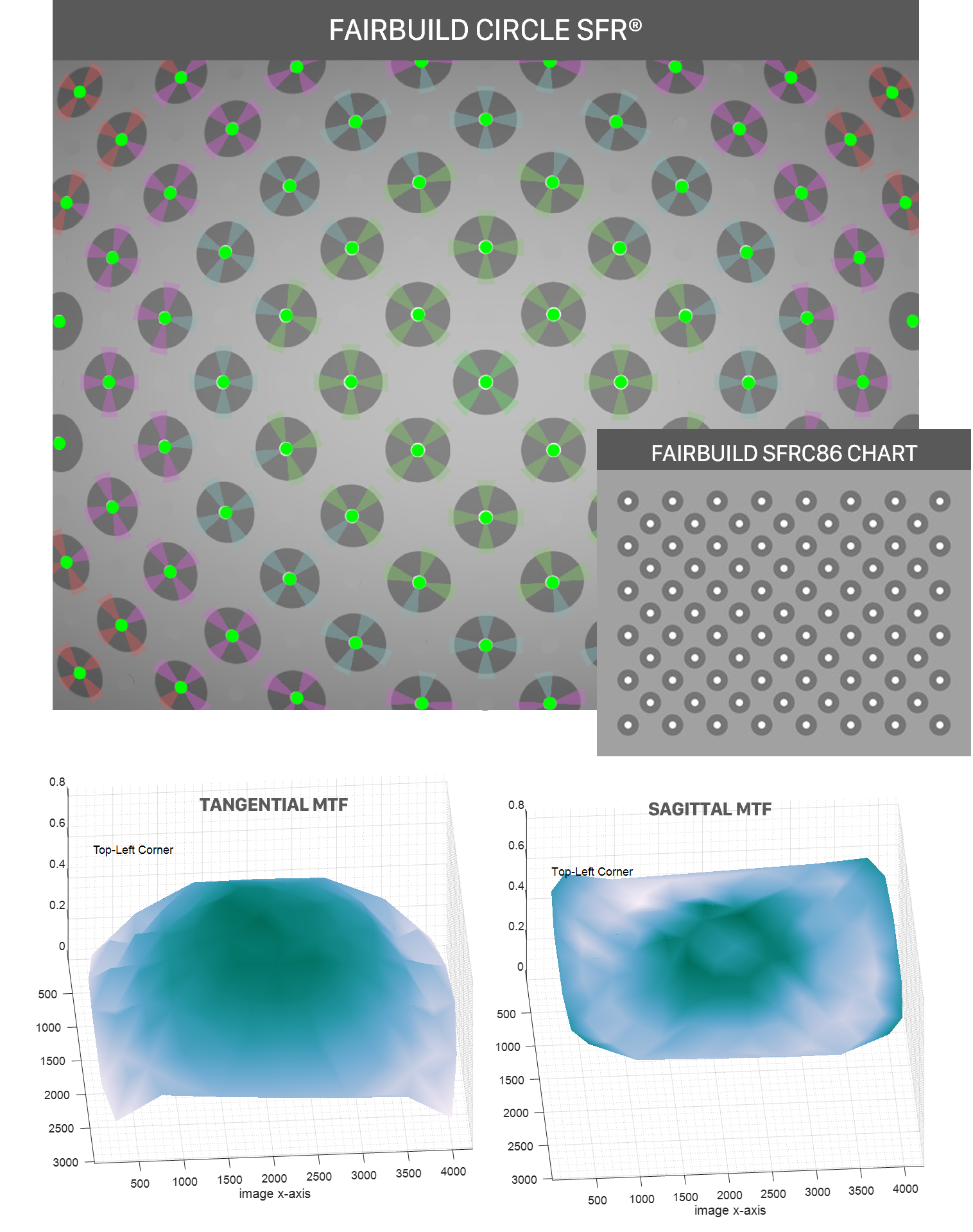
Optical metrology enabling precise comparison of sagittal and tangential SFR measurements against optical simulation results—early detection of lens/sensor misalignment.
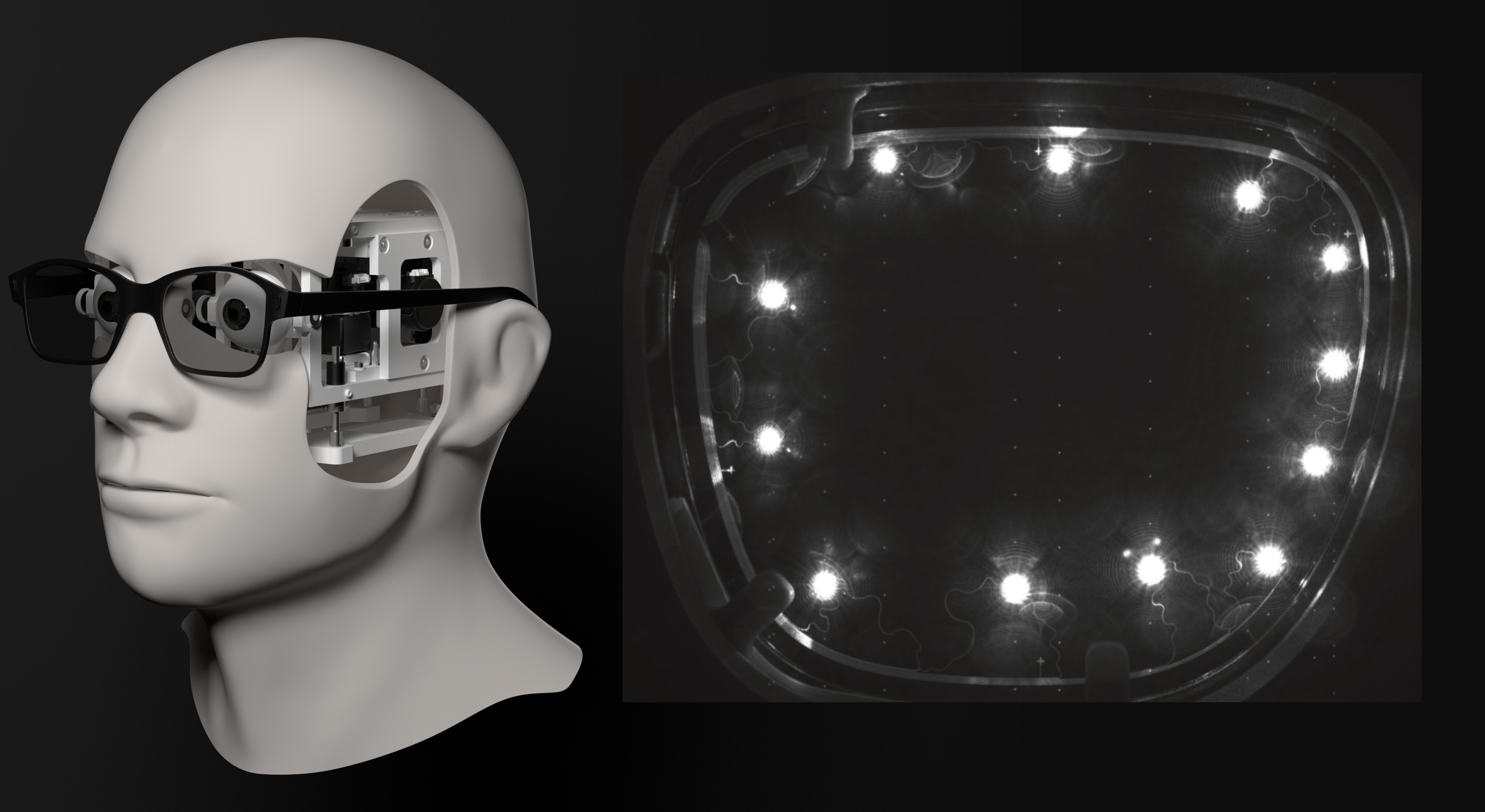
Precise QA for eye-tracking VCSEL/LEDs ensuring strict NIR eye safety compliance across manufacturing stages. Complete with encrypted production logs.
Direct and Indirect Time-of-Flight calibration strategies evaluating multiple VCSEL drivers covering working distances up to 15 meters.
Camera Active Align, Lens Distortion tracking, and custom camera calibration evaluating sharpness with SFR target projectors bridging 400mm to infinity.
All Fairbuild R&D test stations feature a robust Python API enabling full automation of motion control, data capture, and high-speed I/O processing so your engineers maintain pure control over test sequences.